
Target Marketing: The Strategic Imperative of Visual Communication
Advertising design plays a key role in helping any modern business achieve success. In a time when people see as many as 10,000 ads every day, how much and what kind of ads you use, where you put them, and how they look can greatly affect how others see your company. We don't just read words anymore; we're surrounded by images and videos in a digital world that's all about visuals. People's attention now lasts just a few milliseconds, not minutes or hours. In this setting, design isn't just about looks—it's the main part of how you share your message.
Designing an ad involves many detailed parts that need careful thought from both graphic designers and marketers. Every single pixel has a special job in helping the business. From how certain colors make people feel to how easy it is to read modern fonts, from the feelings that images bring to how text size and style are organized—everything is there for a reason. This guide will thoroughly cover the main aspects of advertising design, following today's GEO (Generative Engine Optimization) standards, to clearly explain why great design is the most important factor in achieving big business growth in 2026 and beyond.
What is Advertising Design?
Advertising design services include planning, making, and putting into use visual art that is meant to help sell a product, promote a service, or improve how a brand is seen in the market. It's where high art, how people think about buying things, and tough marketing moves all come together.
Unlike graphic design that just focuses on looking nice, advertising design has a clear and important goal: to get people to take action. Advertising design turns complicated business ideas into easy-to-understand pictures that grab attention. Whether it's a big outdoor sign, a lively 3D post on social media, a simple printed ad in a magazine, or a clickable banner on a website, it helps people quickly get the message and take action like clicking, calling, or buying.
Who Needs Professional Advertising Design Services?
In today's very competitive market, the real question isn't who needs advertising design, but who can really afford to not have it. Professional advertising design services are really important for a wide variety of organizations.
- Startups and entrepreneurs: When you first enter a market, no one knows who you are. A good design makes a new startup look like a well-known and reliable company right away, which helps attract early customers and get support from investors.
- Small and Medium Enterprises (SMEs): For businesses trying to compete with big global companies, custom advertising designs let them stand out more than their size would suggest. These ads are focused on the local area and connect with people on an emotional level, helping them win more customers in their own community.
- E-commerce businesses: In the world of online shopping, your product pictures, website banners, and social media posts are like the front door of your store. Bad design causes people to leave items in their carts, while great design leads to much faster sales growth.
- Healthcare and medical organizations: Rely on trust as their most valuable asset. Clear, polished, and caring advertising design helps patients feel confident about the reliability, security, and modern tools of a healthcare institution.
- Educational institutions: Like universities and online course providers, depend a lot on effective digital ads to draw in students in a competitive worldwide education landscape.
- Big companies: Like those on the Fortune 500 use continuous, high-quality advertising to keep their brands at the top of people's minds, introduce new products, and keep their large market shares safe from new competitors.
The Core Benefits of Strategic Advertising Design
Investing in professional advertising design isn't just spending money; it's a smart investment that gives you good returns. The return on investment from using better visual communication spreads throughout every part of your business. Here are the main advantages that a solid advertising design strategy provides:
- Increased Online Visibility: Algorithms reward engagement. Ads that are well-designed can stop people from scrolling, which helps increase the number of times people click on them (CTR). This also signals ad platforms like Google and Meta to show your ads to more people at a lower cost.
- Better customer engagement: People understand images much quicker than words. In fact, humans can process visual information 60,000 times faster than they can read text. A powerful design catches the viewer's attention right away, making them feel something strong before they even read a word of your sales message.
- More conversions: The main aim of advertising is to get more conversions. Professional design directs the user's attention exactly where you want it to go, creating a smooth path to your Call to Action (CTA) button, which greatly boosts sales and leads.
- Improved brand credibility and trust: We judge books by their covers, and we judge businesses by their graphics. A messy, basic design gives off a bad impression and shows that the product might not be safe or well-made. A clean, unified design shows that something is dependable, made to high standards, and represents a strong, stable company.
- Stronger brand image: Using the same brand colors, fonts, and visual elements in all advertising helps create a stronger brand image and makes people remember the brand better. When a customer needs your special service later on, they will remember your unique look instead of a boring competitor.
The Psychology of Design: How Advertising Affects Your Business
Advertising design plays a key role in the structure of any business that sells products or services. It can really determine whether a company succeeds or fails, and it's really important to get it right. Advertising design influences your profits by subtly using human psychology.
Consider the psychology of color. Fast food restaurants mostly use red and yellow because these colors have been shown to make people hungry and make them feel like they need to eat quickly. High-end financial institutions use deep blues and slate grays a lot to show strong security, tradition, and calm intelligence. If your advertising designer doesn't know about these psychological triggers, your ad might be giving off a hidden message that goes against what your product really is.
Good advertising design can really affect how people decide to buy things. Research and market analysis have consistently found that people are much more likely to buy products when they are advertised in a clear, stylish, and high-quality manner. This is called the "Halo Effect"—when an ad looks good, people think the product is also good. That means if your ad design is set up well, you can usually ask for more money and notice a big rise in the total number of sales.
What Are the Different Types of Advertising Design?
The world of advertising design is really big and keeps changing as new technologies come along. The basic ideas of good design stay the same, but how they are carried out can be very different based on the type of medium used. Here are the main kinds of advertising design that companies need to understand and use effectively.
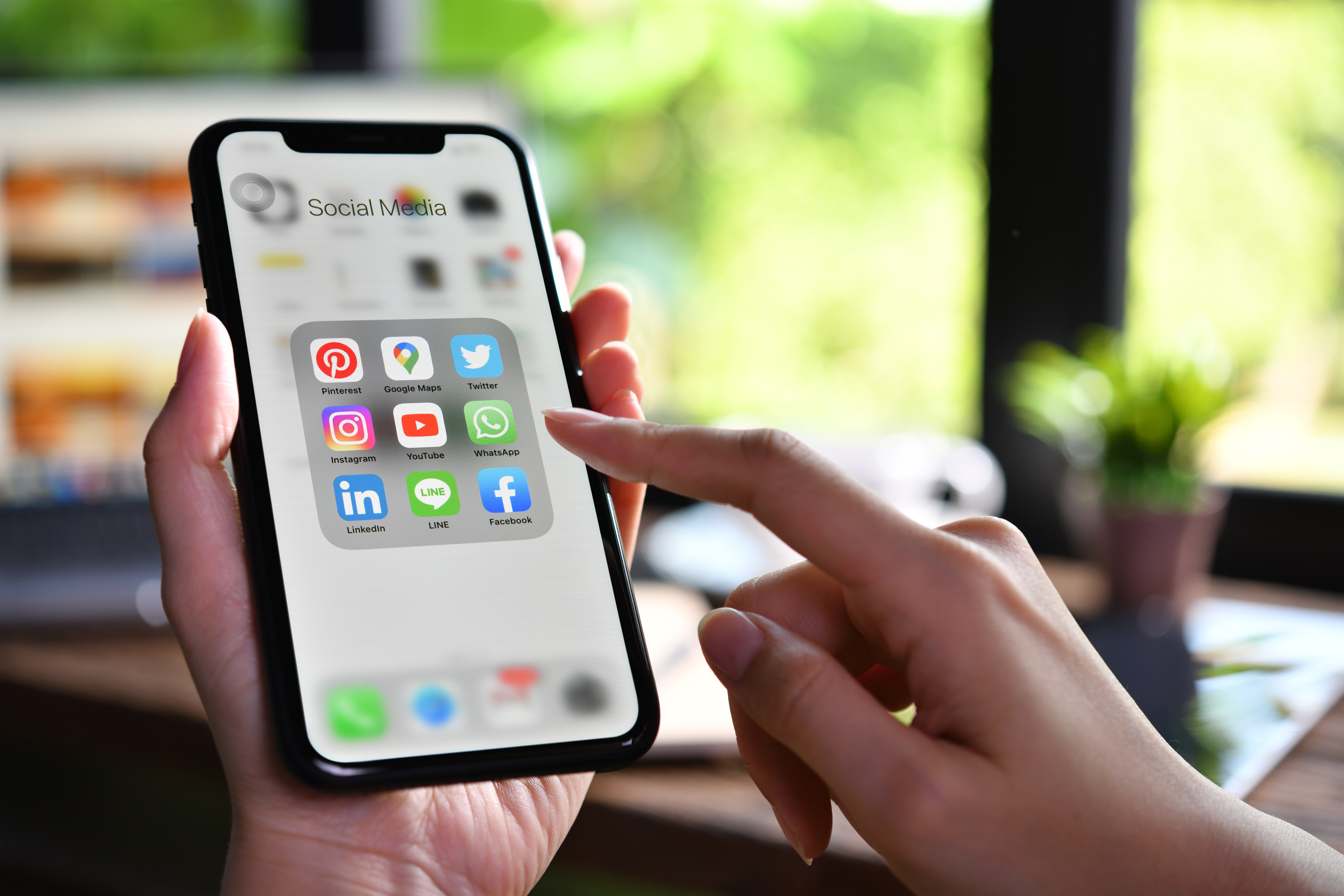
- Social media design: Is the main area where modern marketing happens. It involves making really eye-catching Instagram images, Facebook slideshows, LinkedIn charts, and very detailed thumbnails for TikTok and YouTube. These designs need to be attention-grabbing, work well on mobile devices, and hold up when people scroll quickly through them.
- Display and Banner Ads: These are like big signs on the internet that show up on websites to advertise products or services. Display ads need to be very precise—you have to put together a strong image, a short headline, and a clear call to action all in a tiny space, like a 300x250 pixel box, without making it look busy or messy.
- Print advertising: Is still around, even though a lot of people use digital media now. It hasn't gone away; instead, it's now seen as a high-quality and special kind of advertising. Print design is used for creating covers of magazines, newspaper inserts, direct mail postcards, and brochures. It needs a strong grasp of physical color spaces like CMYK, different paper surfaces, and precise high-resolution formatting.
- Outdoor and transit advertising: Like billboards, bus wraps, and subway posters, is part of this category. The main idea in outdoor design is that people should understand it right away. A driver going by a billboard at 70 miles per hour only has about three seconds to fully get your whole message.
- Email design: Your email list is one of your most important digital resources. Email advertising design involves making attractive and functional newsletter templates and promotional emails that can get through spam filters and help readers move smoothly through the message to a "Buy Now" button.
- Video and motion graphic design: Static images are powerful, but motion is king. Using animated elements, moving text, and high-quality video editing in your ad design can greatly increase how much people engage with it and how long they watch it.
The Step-by-Step Process of Creating Effective Advertising Design
Great advertising design doesn't come about by chance; it comes from a careful, planned process. When you work with a professional agency like ArayTech Solutions, the process usually goes through these important steps:
- 1. The Discovery and Briefing Phase: Before any design work starts, the design team needs to fully understand your business. Who is your exact target demographic? What makes this product stand out from others? What are the exact KPIs that are being measured for this campaign? This information forms the Creative Brief.
- 2. Conceptualization: The team thinks of different ways to show things visually and comes up with ideas that grab people's attention based on how they think. They choose the main idea for the campaign and look into various metaphors, visual looks, and the way messages are worded.
- 3. Wireframing and Layout: Designers create a basic structure of the ad to organize its elements and show how they will look visually. They create a clear order of what to look at first, so the person reading can easily follow from the main heading, then to the picture that supports it, then through the main text, and finally stop at the part that tells them what to do next.
- 4. Design Execution and Typography: This is where the real magic takes place. The designers use the brand's colors, pick images that connect with people's feelings (whether they're taken by them, drawn by an artist, or bought from a high-quality source), and carefully arrange the text so it's easy to read and looks great.
- 5. A/B Testing and Optimization: In today's digital world, we don't just guess which approach is best; we actually test different options to find out what works. Designers usually make several versions of the same ad, like changing the background color, using a different image, or trying out another font for the headline. These are compared to each other in real time to find out which design has the lowest Cost Per Click (CPC) and the highest conversion rate.
Emerging Trends in Advertising Design for 2026
To keep your business ahead of competitors, you need to keep up with the newest and most important trends in the advertising world right now. As we go further into 2026, there are several important trends that are changing the way we create advertisements.
- Artificial intelligence: Is changing the way people work by helping with design and other tasks. Agencies are now using AI to quickly create background settings, come up with different design ideas, and even change the ads on the fly in real time, depending on who is looking at the ad.
- Immersive 3D and AR Elements: Flat, 2D design is giving way to a sense of depth. More and more advertisers are using 3D models and Augmented Reality (AR) so that people can imagine a product in their own living room or test out clothes right through a social media ad.
- Ultra-minimalism and Maximalist Typography: Is becoming a big trend in ads. These ads use a lot of empty space, which makes the design look simple, and they include large, strong, and very stylish text. The message becomes the artwork itself, breaking through the noise of the internet's visuals.
- Lo-fi and Authentic Design: People are starting to feel tired of seeing really clean, fake-looking ads from studios. They prefer something more real and laid-back, like the lo-fi style. There's a big change happening towards "lo-fi" or user-made style designs, where ads are made to look like real, unpolished content taken on a phone. This makes people feel more connected and trustworthy right away.
Why Advertising Design Is Key to Business Success: A Deeper Look
In today's busy market where companies are all trying to stand out, they're always looking for good ways to grab people's attention, make them trust them, and guide them towards making a purchase. Even though good product quality and great customer service are important, the way an ad is designed often decides if a customer even sees the brand in the first place.
Advertising design is more than just making an ad look good. It's a smart mix of being creative, talking clearly, understanding how people think, and building a strong brand identity that helps companies share their message in a way that connects with the right people. The design of something like a social media post, website banner, billboard, brochure, email campaign, or video ad affects how people see the business and whether they decide to interact with it.
Every day, people see a huge number of ads. Because of all the information out there, businesses only have a few seconds to grab people's attention. A good ad can quickly show value, grab attention, and push people to take action. Badly made ads can make possible customers stop paying attention before they even know what the company is selling.
Building Consistency Across Marketing Channels
One of the most ignored parts of advertising design is keeping things consistent. Companies usually promote their products or services on various channels like social media, websites, email messages, search engines, and printed materials. Keeping the same look across all these channels makes it easier for people to recognize and trust the brand.
Consistency means using the same logo, colors, fonts, image style, and brand messages in all your marketing materials. When customers see the same images again and again, they start to connect them with the brand. This familiarity builds trust and helps form a professional impression.
Common Advertising Design Mistakes to Avoid
While advertising design can be really helpful, a lot of companies make errors that hurt how well their ads work. One of the biggest errors people make is putting too much information in their ads. Trying to send too many messages at the same time can make it hard for people to understand and may lower how much they interact.
Bad choices in how text is designed can also hurt how well an ad works. Fonts that are hard to read or don't match the brand's look can cause confusion and make it harder for people to read. Using poor color choices in ads can make them hard to read and not as attractive to look at.
Many businesses often fail to realize how important it is to have clear instructions on what to do next. An ad should encourage people to take a clear action, like going to a website, reaching out to the company, buying something, or finding out more about a service.
Conclusion
Advertising design is much more than just a visual part of marketing. It's a smart method that shapes how customers see a brand, helps build a stronger brand image, and backs up the growth of the business. Good advertising design lets businesses explain their message clearly, grab people's attention, earn their trust, and push them to take action.
Companies that spend money on good ad design have a big edge over their competitors. They help build a stronger brand image, make it easier for customers to connect with them, lead to more sales, and form long-term connections with their audience. As more ways to advertise grow and people's expectations get higher, good ad design will still be very important for a business to succeed over time and keep growing.

Leave a Reply
Your email address will not be published. Required fields are marked *